

Day of the Dead: when the city lights up its memory
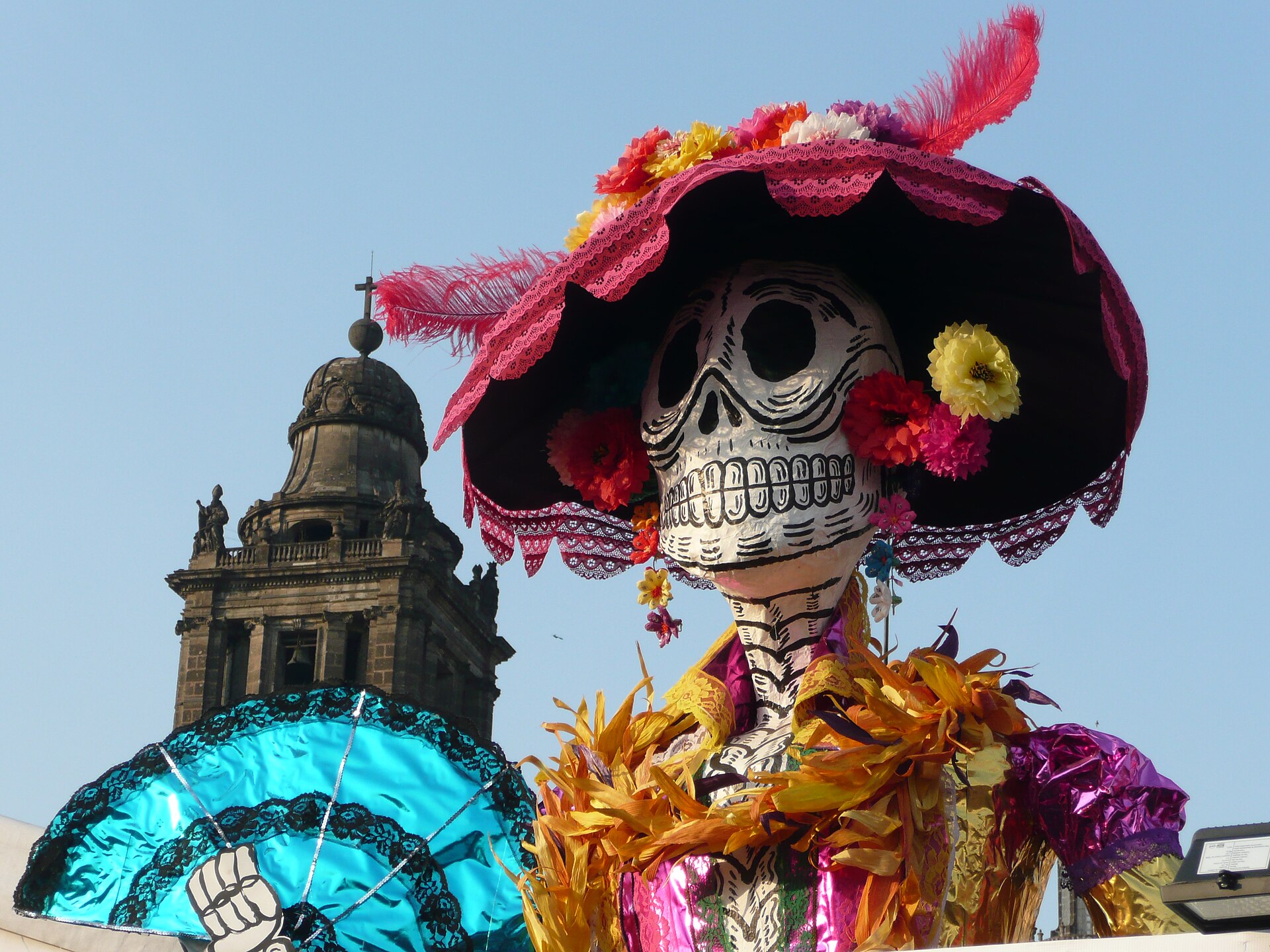
The Day of the Dead in the capital: ten things to do, what to eat, and why in Mexico you visit the dead instead of dressing up as them.
Day of the Dead: when the city lights up its memory
From October 31 to November 2, Mexico City changes the subject. Here death does not disguise itself: it is visited. You go to the cemetery, light a candle, eat pan de muerto and remember someone by name. UNESCO recognised it as intangible cultural heritage in 2008.
Where
- Mixcoac Cemetery (Tlalpan). The largest in Latin America, and the one with the tradition of the light. Several entrances: ask for the area with the lit graves.
- San Fernando Cemetery (Tacubaya). The most famous: Villavicencio, Morelos, Altamirano.
- Alhóndiga de Toluca and San Andrés Cemetery (Coyoacán). Smaller and more intimate, with the green of the neighbourhood around it.
- La Merced (Carmen and Moneda streets). Where the sugar skulls, the papel picado and the candles are bought.
- Casa de los Azulejos (Carranza 29) and the Museo de Arte Popular (Moneda 13). Two different altars, and both are set up for these dates.
- Plaza de Santo Domingo. The altar of the National Commission for the Disappeared.
- The Centro, Academia and Moneda streets. The Catrina parade.
- The Zócalo floor. The Day of the Dead installations.
- Iztapalapa Cemetery. The biggest pilgrimage: thousands of people on November 2.
What to do
- Mixcoac at night, on the 1st and 2nd. The candlelight is the show.
- San Fernando, for the gravestones.
- The altars at Casa de los Azulejos and the Museo de Arte Popular.
- The Santo Domingo altar, which is not decorative: it is a denunciation.
- The sugar skulls of La Merced, made by hand, one for each name.
- The Catrina parade: a whole city dressed up.
- The masses for the dead in the churches of the Centro, on the night of the 31st.
- The stands of pan de muerto and pumpkin chocolate.
- A lit cemetery in Xochimilco or Iztapalapa.
- Posada: his Oaxacan calavera from 1903 is where all of this starts.
What to eat
- Pan de muerto. Soft, sweet, sugar on top. Eaten in family, and nobody eats it alone.
- Tamales of the dead and atole. Hot, with cinnamon.
- Pozole. The same one as September 16: here it is eaten on the 1st and the 2nd.
- Pumpkin in a mole, and sweet mushrooms in cream.
- Pumpkin chocolate with the pan de muerto.
Understanding Mexicans
Mexico does not celebrate death: it visits it. That is the difference with Halloween, which is a joke about a stranger's death. Here it is the grandfather, and you bring him what he liked.
- The altar is an altar, not a decoration: it has water, salt, bread, fruit, candles and the photo. It is addressed and it stays there all night.
- The dead are still family. They are not in the past: they are in the memory of the house, and the meal on the 1st includes them.
- The death that is laughed at is ours. The Catrina was born as "Calavera Garbancera" by Posada in 1910, to mock the European upper classes; Mexico turned her into the affectionate skeleton of the whole country.
And there is a grief that is not private: the Commission altar remembers the tens of thousands who disappeared. On those dates, Mexico does not only remember its dead: it complains about them.
Why it matters at Amaxing
Because it is the clearest example of what we want to do with this archive: explain what is happening, not only where to eat. The Day of the Dead is the party where the city tells you who it is. It is pinned, and it will be here in November, in February and in July, because it is not a seasonal tip: it is part of how the city explains itself.
Note: mass times, cemetery access and the activities change every year. Check with the cemeteries, the Museo de Arte Popular and the Mexico City government before you go.
Support the project
Open donations to keep building. Copy the method you prefer or scan the code. Thank you for powering Calpulli CDMX.
Your contribution goes directly to the team to fund experience improvements.